
Athens is loud, hot, ancient, and completely underrated as a city break. Plan for 3–4 days, budget around €80–120/day (accommodation included), book your Acropolis tickets online, and whatever you do, go find the loukoumades. Here’s everything I learned from our trip, including the metro mistake that will absolutely happen to you, too.
Dear travelers,
There are some cities that instantly feel cinematic. Athens is one of them, not in the polished, Pinterest-perfect kind of way. More like the opening scene of a movie where the main character arrives exhausted, sweaty, slightly confused, and immediately falls in love with the chaos anyway.
After leaving Santorini, we landed in Athens, ready for what we thought would be a quick historical stop. Instead, Athens surprised us. It was loud, messy, ancient, creative, energetic, and somehow still incredibly charming underneath all the scooters and heatwaves.
And when I say heatwaves, I mean the kind of heat that makes you question every life decision that brought you to the Acropolis at noon.
But we’ll get there.
Table of Contents
How Many Days Do You Need in Athens?
3 to 4 days is the sweet spot.
One full day for the Acropolis, Ancient Agora, and Anafiotika. A second day for neighborhood wandering — Plaka, Psiri, Monastiraki. A third day for museums, slower mornings, rooftop bars, and any spots you missed.
If you only have 2 days, you can still cover the highlights — but you’ll feel the rush. And Athens genuinely rewards slowing down.
How Much Does Athens Cost Per Day?
Budget: €50–70/day (hostel or budget hotel, street food, public transport)
Mid-range: €80–120/day (central hotel, sit-down meals, cocktails, entry fees)
Comfortable: €150+/day (boutique stays, rooftop dining, guided experiences)
Key costs to know:
- Acropolis ticket: €30
- Metro daily pass: ~€4
- Loukoumades at LUKUMAΔΕΣ: ~€5–7
- Rooftop cocktail with Parthenon view (360 Bar): ~€14-18
- Average sit-down meal: €12–20 per person
Athens is one of the more affordable Western European capitals, which is part of why it surprised us so much. You get a lot for your money here.
Where Should You Stay in Athens?
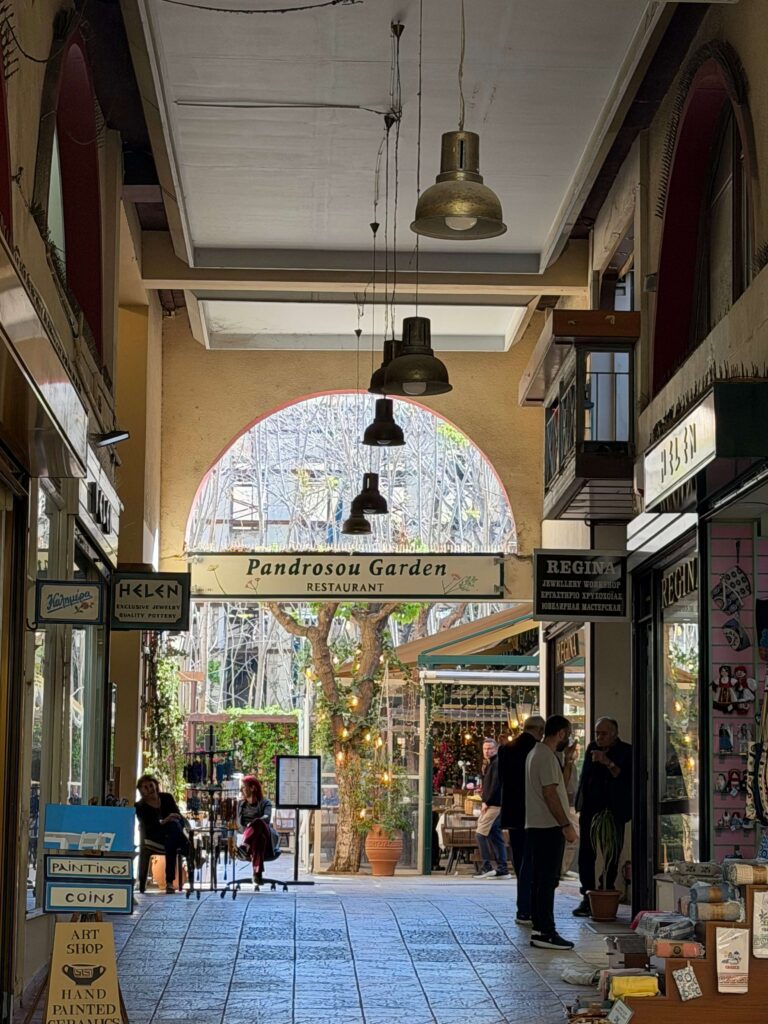
Stay central, ideally within walking distance of Monastiraki.
One of the best decisions we made was positioning ourselves close to the city centre, around a 15–20 minute walk from most major attractions. Athens is surprisingly walkable if you’re based in the right area.
Best neighborhoods for first-time visitors:
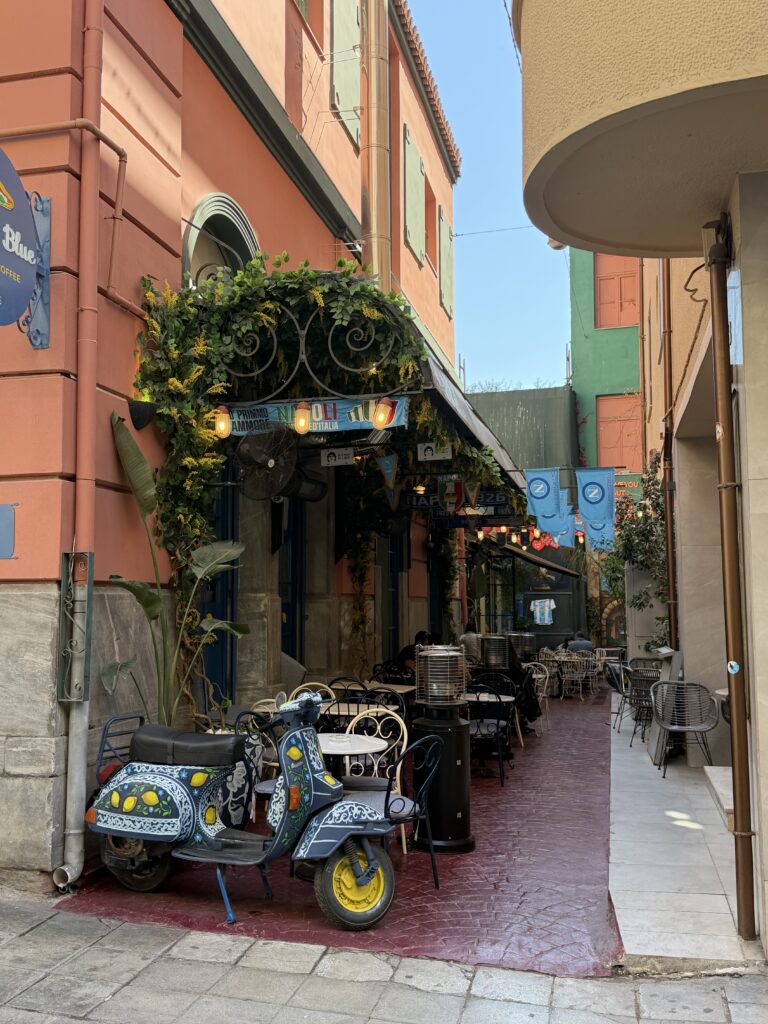
- Plaka — The romantic one. Full of little cafés, souvenir shops, rooftop restaurants, pastel-colored buildings, and hidden staircases. At night, the whole neighborhood glows. It’s touristy, yes, but in a charming way. Wandering through Plaka at golden hour feels like being inside a Mamma Mia spinoff where everyone somehow owns linen clothing and drinks wine effortlessly.
- Monastiraki — The everything one. Tourists, street performers, markets, restaurants, rooftop bars, and locals trying to get somewhere quickly while visitors stand in the middle of the street taking photos. Busy, loud, overwhelming and somehow essential. Especially at sunset.
- Psiri — The cool one. More local, more creative, more edgy in the best way: street art, bars, live music, alternative cafés, and a nightlife scene that feels effortlessly alive. This is where Athens stops performing for tourists.
And trust me, after walking up hills in 30°C weather all day, you’ll appreciate not having a complicated journey back to your accommodation.
Athens at night is genuinely magical. The heat softens, rooftop bars fill up, musicians appear in the streets, and suddenly everyone looks effortlessly cool while you’re still recovering from climbing the Acropolis six hours earlier.
How Do You Get Around Athens?
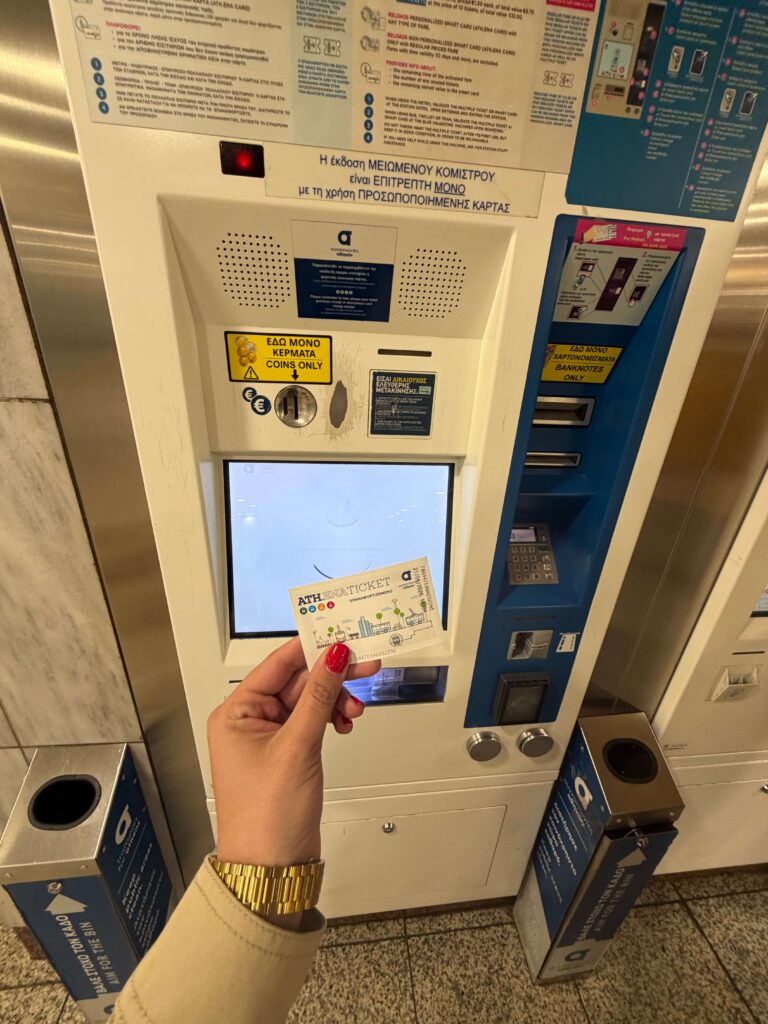
The Athens metro is your best friend. Affordable, efficient, air-conditioned (bless), and it connects most major areas incredibly well.
A daily metro pass costs around €4, which is way cheaper and easier than buying separate tickets every time.
The one thing Google Maps won’t warn you about:
Google Maps will show you the correct metro line and then sometimes the wrong direction.
And when you’re standing underground in Athens, trying to decode Greek station names? It becomes an experience.
Here’s the trick: always double-check three things:
- The final destination station name
- The platform direction
- Which side of the station you’re entering from
Once we figured that out, the metro became incredibly easy.
Is the Acropolis Worth It?
Yes. Absolutely. But you need to prepare.
When people say “visiting the Acropolis,” they make it sound like a gentle scenic stroll. It is not. It is a hike disguised as a historical activity. And if you visit during summer, prepare yourself mentally, physically, emotionally, spiritually, all of it.
Acropolis quick facts:
- Entry: around €30
- Time needed: 2–3 hours
- Best time to visit: First thing in the morning (8am) or late afternoon after 5pm
- Getting there: Acropolis metro station, then 10-minute walk uphill
Three tips nobody tells you clearly enough:
1. Buy tickets online. Especially in summer. The lines get long, the sun becomes aggressive by mid-morning, and standing outside for an extra hour is not the experience you want.
2. Bring more water than you think you need. Not one bottle. Not “I’ll buy one later.” Bring water like you’re preparing for a small desert expedition. There’s very little shade on the walk up, and the heat reflects off the stone pathways in a way that feels almost personal.
3. Wear proper shoes. I know the cute sandals look good in photos. But halfway up the Acropolis, you’ll wish you had hiking boots designed by NASA. The pathways are slippery, uneven, and crowded, especially near the top.
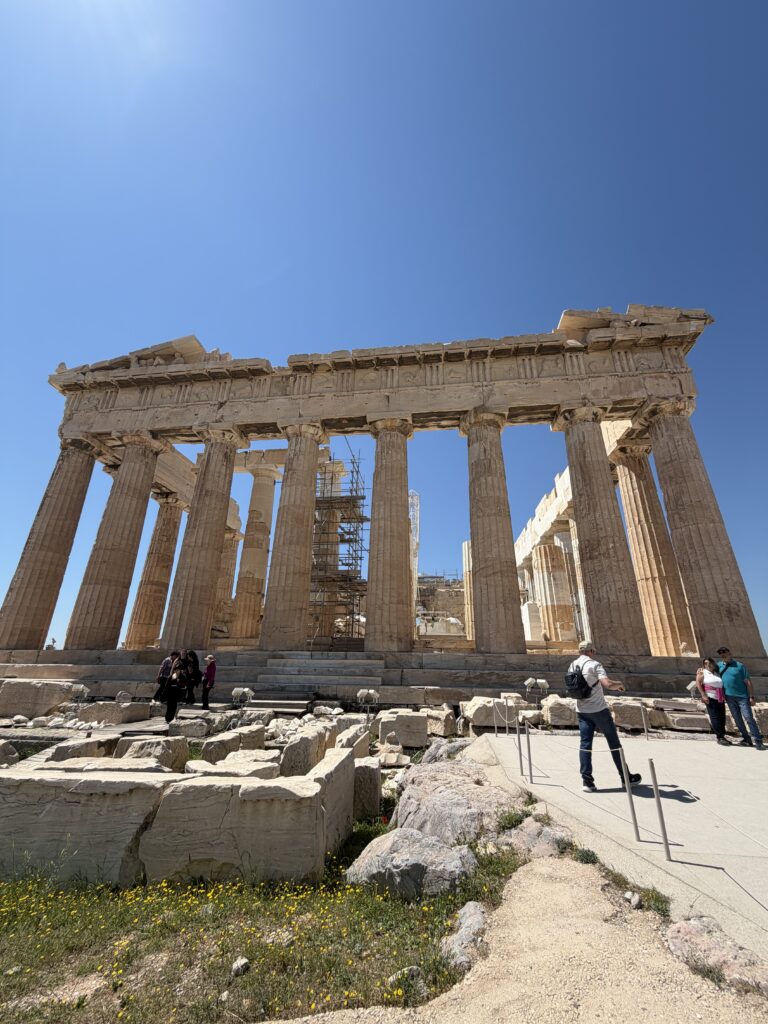
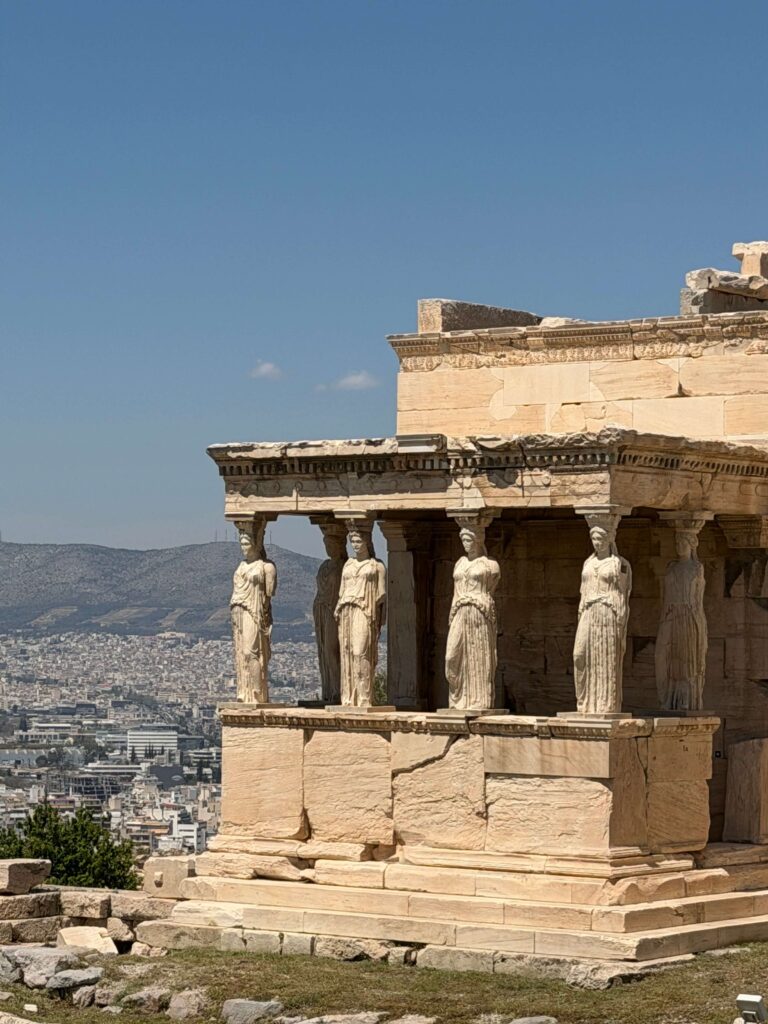
The moment you reach the top and see Athens stretching endlessly around you, everything changes. The Parthenon is one of those landmarks that somehow still feels impressive even after seeing it thousands of times online. Standing beside it in real life feels surreal. You suddenly understand why civilizations spent centuries obsessing over this place.
Despite the crowds, despite the heat, despite me questioning my cardio abilities halfway up, the view made it worth it.
Anafiotika: The Hidden Greek Village Inside Athens
We actually didn’t get the chance to properly explore Anafiotika ourselves, but after reading about it (and almost everyone recommending it), it definitely deserves a spot on your Athens list.
Tucked beneath the Acropolis, Anafiotika is said to feel completely different from the rest of Athens. From photos and travel stories, it looks more like a tiny Cycladic island village accidentally placed in the middle of the city rather than one of Athens’ busiest tourist areas.
Apparently, the atmosphere there is incredibly peaceful compared to the chaos of central Athens, making it the perfect escape after spending time around the busier areas like Monastiraki or the Acropolis entrance.
If we ever go back to Athens, this is definitely one of the first places we’d want to properly wander through.
Best Rooftop Bar with Acropolis View: 360 Cocktail Bar
If you want one of the best views of the Parthenon, go to 360 Cocktail Bar.
Watching the Acropolis while the city buzzes below feels genuinely unreal. Athens looks softer from above, calmer, almost cinematic.
360 Cocktail Bar quick facts:
- Location: Monastiraki Square, Athens
- Best for: Sunset and evening Acropolis views
- Cocktail price: ~€14
- Reservation: Book ahead, especially for weekends and sunset slots
- Dress code: Smart casual
Even if you’re exhausted after sightseeing, it’s worth going. Athens rooftop culture deserves its own category of travel experience.

What Should You Eat in Athens?
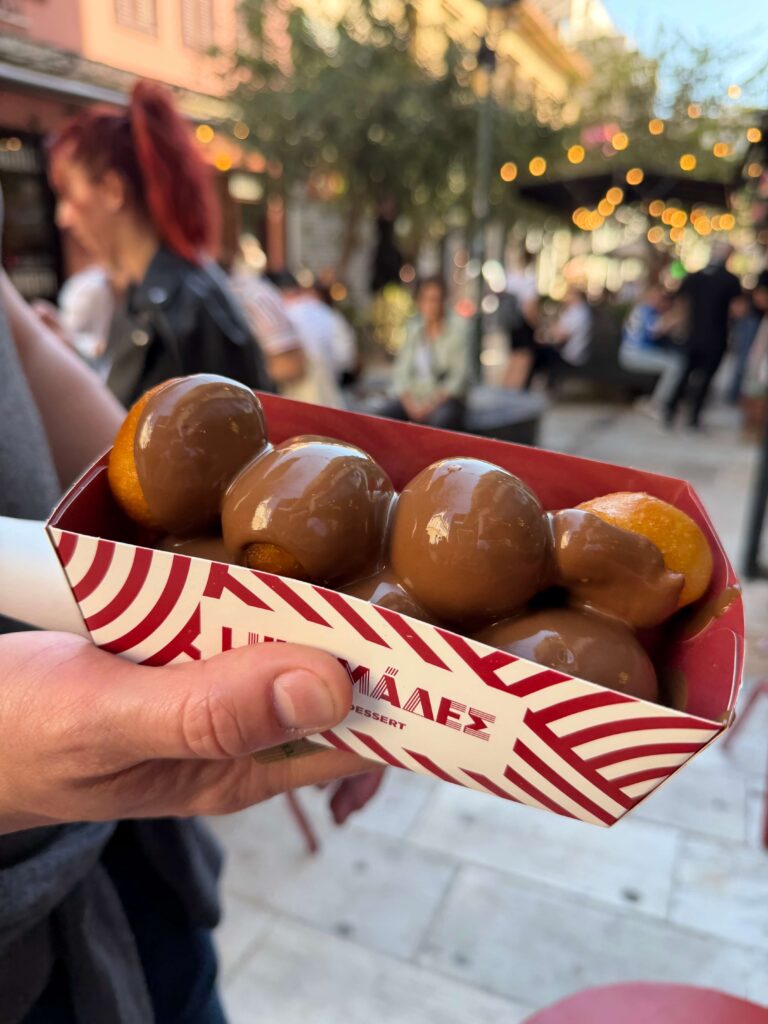
Go to LUKUMAΔΕΣ. Immediately.
Loukoumades are small Greek donuts, crispy outside, soft inside, warm, sweet, and dangerously addictive, served with toppings ranging from honey and sesame to Nutella and pistachio cream.
LUKUMAΔΕΣ quick facts:
- What to order: Classic honey, or go wild with the chocolate pistachio version
- Price: Around €5–7 per portion
- Location: Multiple locations in central Athens; the most famous is near Monastiraki
Other things worth eating:
- Gyros — from a street spot, not a sit-down restaurant, ideally after midnight
- Spanakopita — spinach and feta pastry, grab one from any bakery for under €3
- Greek salad — yes, it’s basic, but delicious
- Freddo espresso — this is the local iced coffee order; ordering anything else reveals you immediately as a tourist
- Check this blog post for more recommendations.
Athens Nightlife: Better Than You Expect
Before visiting, I mostly associated Athens with ancient ruins. I did not expect the nightlife to be this good.
Bars worth finding:
- Clumsies — consistently ranked among the best bars in the world; go for the cocktails, stay because you can’t leave
- Baba Au Rum — creative menu, great atmosphere
- BarroNegro Athens — edgier, more underground energy
Each place had a completely different vibe, but all of them felt creative, stylish, and surprisingly international. Athens after dark genuinely surprised us — and honestly, it deserves its own separate blog post because there’s way too much to cover properly here.
Little Kook: The Most Chaotically Magical Café in Athens
Little Kook feels like someone combined Disneyland, a fairytale movie set, and complete visual chaos and somehow it works.
This café is famous for its over-the-top seasonal decorations, themed displays, giant desserts, and whimsical atmosphere that changes several times a year.
Little Kook quick facts:
- Location: Karaiskaki 17, Psiri, Athens
- Best time to visit: Evening, when everything lights up
- Price range: Mid-range café prices (€6–10 for drinks and dessert)
- Verdict: Touristy? Extremely. Worth it? Maybe.
Even if you just stop briefly, it’s one of those places that makes Athens feel playful and wonderfully weird.

FAQ: Athens Travel Questions Answered
3 to 4 days gives you time to cover the Acropolis, the main neighborhoods, a day-trip option, and actual time to slow down. 2 days is doable but you'll feel rushed.
April–May and September–October are ideal, warm enough for outdoor sightseeing, but without the brutal summer heat. July and August are peak season: busy, expensive, and genuinely very hot (regularly 38°C+). That said, summer has the best nightlife energy.
Yes, Athens is generally safe and very solo-traveler-friendly, especially in the central neighborhoods. As with any city, be aware of pickpockets in crowded areas like Monastiraki market and on the metro.
Compared to other Western European capitals, no. You can eat well, drink well, and sightsee for €80–100/day mid-range. Budget travelers can do it for €50–70/day with smart choices.
Yes — most people do both on the same day. Start at the Agora when it opens at 8am, spend an hour or so there, then walk up to the Acropolis. Be done before noon to avoid the worst heat.
Capture Your Own Athens Adventure
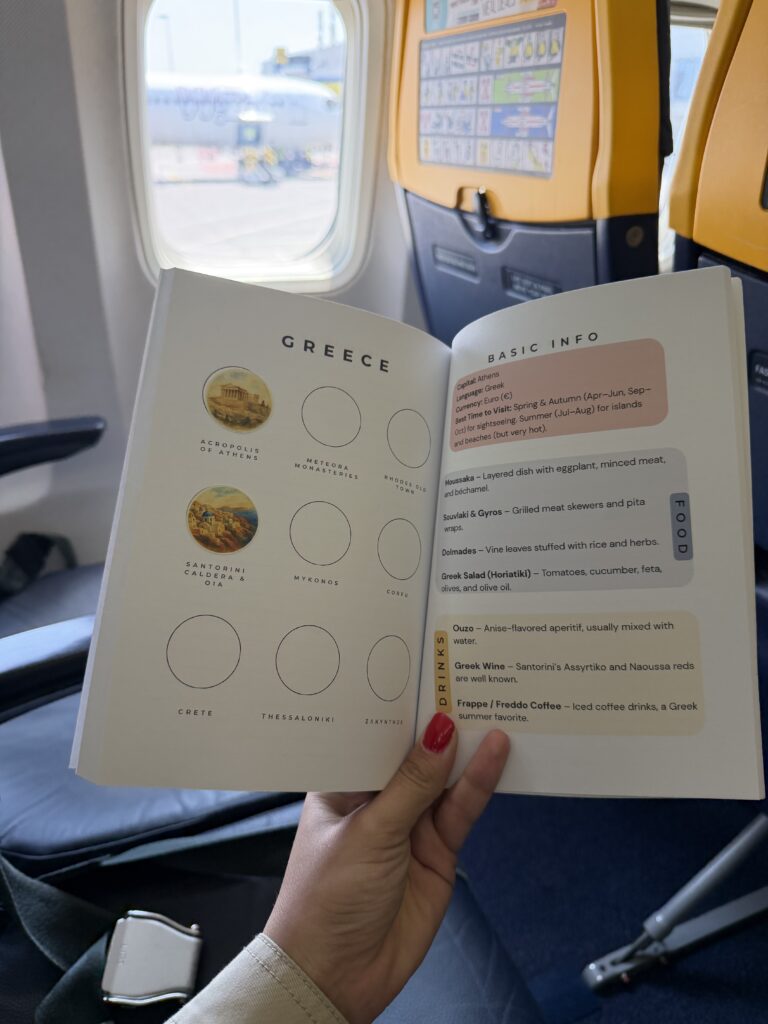
One thing I always wish I did more while traveling is write things down in the moment. The funny metro mistakes, the rooftop sunset that didn’t look quite as good in photos, or that tiny café you stumbled across when you were completely lost. Those are usually the memories that stick with you long after the trip is over. If you’re planning a visit to Athens—or any destination on your bucket list—the Travel Journal was designed to help you document those moments, keep track of your itinerary, and preserve the little details that make every trip unique.
I expected Athens to be historical. I didn’t expect it to feel so alive.
There’s something beautiful about the contrast here, ancient ruins beside graffiti-covered streets, rooftop cocktail bars overlooking temples older than entire countries, chaotic metro rides leading to quiet hidden neighborhoods filled with cats and whitewashed houses.
Athens feels imperfect in a way that makes it memorable.
Yes, the heat nearly destroyed me. Yes, I complained dramatically while climbing the Acropolis. And yes, I would still go back tomorrow.
Because somewhere between the ancient ruins, loukoumades, rooftop sunsets, and getting mildly lost in the metro system, Athens became one of those cities that stays with you long after you leave.
And honestly? I already miss it.
This article is also featured on GPSmyCity. To download this article for offline reading or create a self-guided walking tour to visit the attractions highlighted in this article, go to Walking Tours and Articles in Athens.
Truly yours,
The Creation of Us
P.S.: Some of the links are affiliate links, meaning if you click through and make a purchase, I will earn a small commission at no additional cost to you. Thanks for your support!