
London has a reputation for being expensive, and after visiting, I can confirm that your money can disappear surprisingly quickly. Between accommodation, transport, attractions, and the occasional £15 cocktail (because obviously, we need to try those too), a few days in the British capital can seriously test your travel budget.
But here’s something I absolutely love about London: some of its most impressive museums are completely free to visit.
And we’re not talking about small museums with three rooms and a collection of old photographs. We’re talking about world-famous museums filled with dinosaur skeletons, Egyptian mummies, paintings by Van Gogh, centuries of fashion, and some of the most beautiful architecture you’ll find in the city.
Actually, some of these buildings are so impressive that they’re worth visiting even if you’re not particularly interested in what’s inside.
One thing I learned while exploring London is that you don’t have to spend money on every attraction to experience the city. Some of the best things to do involve simply walking around, discovering beautiful buildings, and stepping inside places that would cost a small fortune to visit in other cities.
So, whether you’re visiting London for the first time, travelling on a budget, or just looking for something interesting to do between sightseeing stops, here are five of the best free museums in London, including what to see, how much time you need, and which ones you can easily visit together.
One important thing before we start: most of these museums offer free admission to their permanent collections, but special exhibitions and certain experiences may require a paid ticket.
1. Natural History Museum – Dinosaurs, Wildlife & Incredible Architecture
Location: South Kensington · Suggested visit: 2–3 hours · General admission: Free
If there’s one museum in London that deserves a place on your itinerary even if you’re not a museum person, it’s the Natural History Museum.
First of all, can we talk about the building?
From the outside, it looks more like a palace than a museum. The enormous Victorian building, with its detailed terracotta decorations, towers, and grand entrance, is already an attraction in itself.
And then you walk inside.
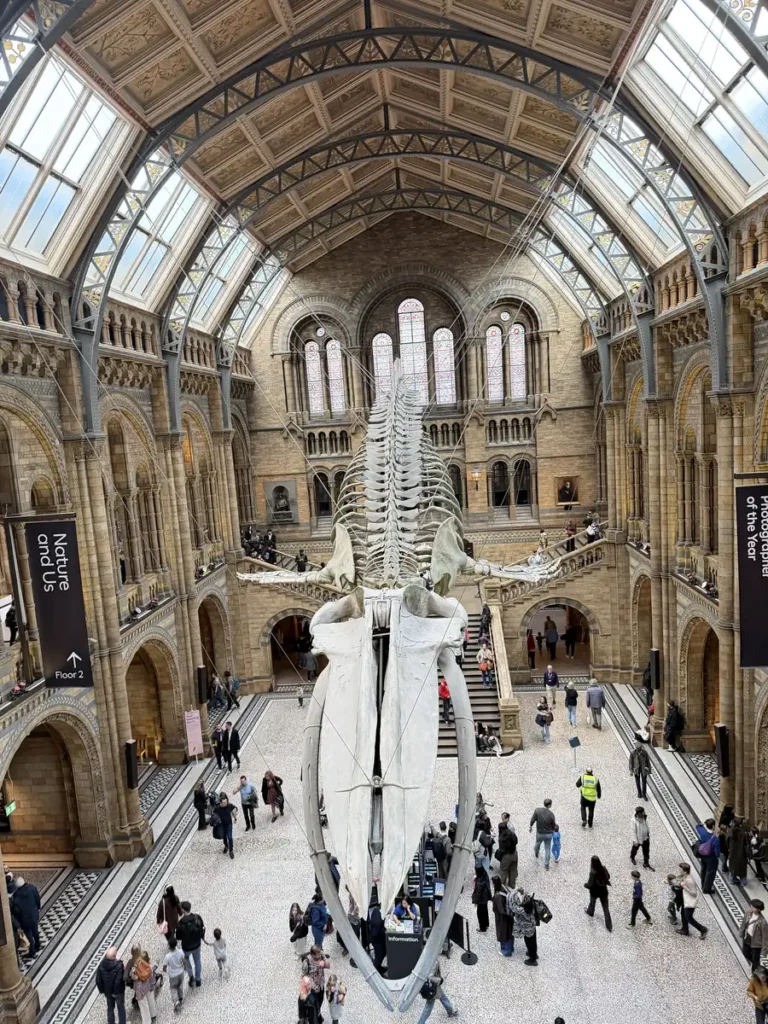
The main entrance hall, known as Hintze Hall, is absolutely spectacular. High above visitors hangs Hope, a 25-metre-long blue whale skeleton suspended from the ceiling.
Yes, an actual blue whale skeleton.
It’s one of those sights that makes you stop for a moment and just look up.
The museum opened in South Kensington in 1881, and its architecture was designed to celebrate the natural world. Look closely at the walls, columns, and decorations, and you’ll notice animals, plants, and other natural details incorporated throughout the building.
What shouldn’t you miss?
- Hintze Hall and Hope the blue whale: Probably the museum’s most iconic sight and an excellent place to start.
- Dinosaur Gallery: Dinosaur fossils, skeletons, and exhibits explaining how these prehistoric creatures lived.
- Earthquakes and Volcanoes: Discover how our planet works, including the forces responsible for earthquakes and volcanic eruptions.
- Mammals Gallery: An opportunity to appreciate the incredible diversity of animal life.
- Minerals and fossils: Fascinating collections showing millions of years of Earth’s history.
The dinosaur section is especially popular, so expect plenty of families and excited children. But don’t let that discourage you. Dinosaurs are interesting at any age, and I refuse to believe otherwise.
Tips for visiting the Natural History Museum
The museum is enormous, and you could easily spend half a day exploring it.
For a first visit, I’d recommend allowing two to three hours. That gives you enough time to admire the architecture, see the main galleries, and explore without feeling like you’re racing through everything.
General admission is free, but booking a free entry ticket in advance is recommended, particularly during weekends and school holidays.
My tip: Combine this museum with the Victoria and Albert Museum, which is practically next door. You can visit two of London’s most impressive museums without spending anything on admission.
Official website: Natural History Museum
2. Victoria and Albert Museum – Art, Fashion & Design
Location: South Kensington · Suggested visit: 1–2 hours · General admission: Free
Just a short walk from the Natural History Museum, you’ll find another London favourite: the Victoria and Albert Museum, usually called the V&A.
And while the Natural History Museum is all about dinosaurs, animals, and our planet, the V&A takes you into the world of art, fashion, design, and creativity.
Think beautiful sculptures, historical clothing, jewellery, ceramics, furniture, photography, and objects from different cultures and centuries.
Basically, if humans have created something beautiful, unusual, or impressive, there’s a good chance you’ll find something similar here.
The museum was founded in 1852 and named after Queen Victoria and Prince Albert. Today, it houses one of the world’s leading collections of art and design.
But what makes the V&A particularly special is that the building itself feels like part of the exhibition.
There are grand staircases, decorated ceilings, enormous galleries, and beautiful architectural details everywhere you look.
What shouldn’t you miss?
One of the highlights is the Cast Courts, where you’ll find plaster reproductions of famous sculptures and architectural masterpieces.
Among them is a full-size cast of Michelangelo’s David.
If you’ve never been to Florence to see the original, this is a pretty impressive alternative. And even if you have, seeing such a famous sculpture in a completely different setting is still fascinating.
Other highlights include:
- Fashion collections: Clothing and accessories illustrating how fashion has evolved through different periods.
- Sculpture galleries: Beautiful works from different centuries and artistic traditions.
- Ceramics and decorative arts: Everything from delicate porcelain to elaborate decorative objects.
- Jewellery collections: Historical pieces showcasing incredible craftsmanship.
- The museum’s interiors: Don’t forget to look at the ceilings and architectural details.
Don’t skip the V&A Café
Now, here’s something you might not expect from a museum: one of London’s most beautiful café interiors.
The V&A Café is famous for its richly decorated historic refreshment rooms, with colourful tiles, ornate ceilings, and impressive architectural details.
You don’t necessarily need to order anything to appreciate the design, although sitting down for a coffee after walking through several galleries sounds like a pretty good idea.
Tips for visiting the V&A
The museum is huge, so don’t try to see everything in one visit.
Instead, choose two or three collections that interest you most and take your time exploring them.
I’d allow around one to two hours for a highlights visit, although anyone interested in art, fashion, or design could easily stay much longer.
General admission is free, while some temporary exhibitions require separate tickets.
My tip: If you’re planning a museum day in South Kensington, start with the Natural History Museum in the morning and visit the V&A afterwards. They’re close enough that you won’t waste time travelling between them.
Official website: Victoria and Albert Museum
3. British Museum – Ancient Civilisations & World History
Location: Bloomsbury · Suggested visit: 2–3 hours · General admission: Free
Imagine being able to travel through thousands of years of human history without leaving one building.
That’s essentially what visiting the British Museum feels like.
Founded in 1753, it’s one of the world’s most famous museums, with collections covering ancient civilisations, archaeology, art, and human history.
From Ancient Egypt and Greece to Rome, Mesopotamia, and cultures across Asia, Africa, and the Americas, the museum brings together objects from an extraordinary range of places and periods.
And the scale of it is almost overwhelming.
You could spend an entire day here and still leave with plenty of galleries unexplored.
Start with the Great Court
Before heading into the exhibitions, take a moment to appreciate the Great Court.
This enormous central space is covered by a spectacular glass-and-steel roof, creating one of the most recognisable museum interiors in London.
It’s also a useful place to get your bearings before exploring the galleries.
What shouldn’t you miss?
- The Rosetta Stone: One of the museum’s most famous objects, which played a crucial role in deciphering Egyptian hieroglyphs.
- Ancient Egyptian galleries: Including mummies, sarcophagi, and objects connected to ancient Egyptian beliefs and daily life.
- Greek and Roman collections: Sculptures, architectural fragments, and objects from classical civilisations.
- Assyrian galleries: Monumental sculptures and reliefs from ancient Mesopotamia.
- The Great Court: Worth visiting for the architecture alone.
The Rosetta Stone is particularly fascinating because of the story behind it.
Discovered in Egypt in 1799, it contains a decree written in three scripts, including ancient Greek and Egyptian hieroglyphs. Because scholars could read the Greek text, the stone became a key to understanding the long-mysterious hieroglyphic writing system.
It’s one of those objects that might not look especially dramatic at first glance, but its historical importance is enormous.
The museum also raises important questions about how historical objects were acquired and where they should be displayed today. Some collections, including the Parthenon sculptures, remain at the centre of ongoing debates about ownership and repatriation.
Tips for visiting the British Museum
My biggest recommendation is simple: don’t try to see everything.
Look at the museum map before visiting and choose the galleries that interest you most.
For a first visit, I’d prioritise Ancient Egypt, the Rosetta Stone, the Great Court, and one or two additional historical collections.
Allow at least two to three hours.
Entry to the permanent collection is free, but booking a free timed ticket can help with planning. Some temporary exhibitions require payment.
My tip: Combine the British Museum with a walk around Bloomsbury and Covent Garden. You’ll get a nice mix of history, beautiful streets, independent shops, and places to stop for coffee or lunch.
Official website: British Museum
4. National Gallery – Famous Paintings in Trafalgar Square
Location: Trafalgar Square · Suggested visit: 1–2 hours · Permanent collection: Free
Even if you don’t consider yourself an art enthusiast, you’ve probably seen some of the paintings displayed at the National Gallery.
Maybe in school textbooks, documentaries, films, or even on tote bags and postcards.
The National Gallery is home to one of the world’s most important collections of European paintings, with works dating from the 13th to the early 20th century.
And the best part? You can see the permanent collection for free.
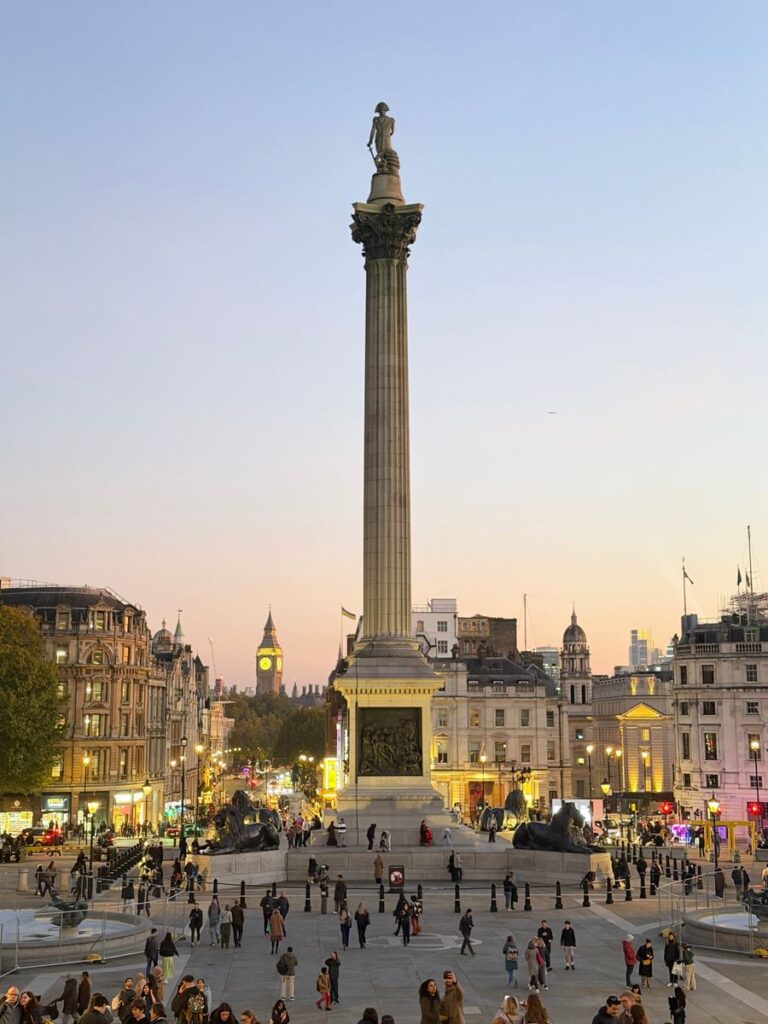
Located directly on Trafalgar Square, the museum is also incredibly convenient to include in a sightseeing itinerary.
You can spend the morning exploring Westminster, walk towards Trafalgar Square, and step inside to admire paintings by some of history’s most famous artists.
What shouldn’t you miss?
Some of the most recognisable artists represented in the collection include:
- Vincent van Gogh: Including his famous Sunflowers.
- Claude Monet: Beautiful Impressionist landscapes and scenes.
- Leonardo da Vinci: Works showcasing the artistic innovations of the Renaissance.
- Rembrandt: Portraits and paintings known for their extraordinary use of light.
- J. M. W. Turner: Dramatic landscapes and atmospheric paintings.
Van Gogh’s Sunflowers is probably one of the paintings many visitors are most excited to see.
And I completely understand why. There’s something special about standing in front of a painting you’ve seen reproduced hundreds of times and finally seeing the original.
But don’t rush directly to the famous works and leave.
Part of the experience is wandering through the beautiful galleries, admiring the rooms, and discovering paintings you might never have heard of before.
Tips for visiting the National Gallery
You don’t need to know anything about art history to enjoy this museum.
If you’re short on time, choose a few famous paintings and build your visit around them.
One to two hours is enough for a relaxed highlights tour.
The permanent collection is free, although some exhibitions require tickets.
My tip: Combine the National Gallery with Trafalgar Square, Covent Garden, and a walk towards Westminster. It’s one of the easiest museums to fit into a first-time London itinerary.
Official website: National Gallery
5. Tate Modern – Contemporary Art in a Former Power Station
Location: Bankside · Suggested visit: 1–2 hours · Collection displays: Free
If traditional art museums aren’t really your thing, perhaps Tate Modern will change your mind.
Located along the River Thames, Tate Modern is one of the world’s most famous museums dedicated to modern and contemporary art.
But what makes it particularly interesting is the building itself.
Before becoming a museum, it was Bankside Power Station, an industrial building designed by architect Sir Giles Gilbert Scott.
The former power station was transformed into Tate Modern, which opened in 2000.
And rather than hiding its industrial past, the museum embraces it.
The enormous Turbine Hall
One of the first things that makes an impression is the Turbine Hall.
This enormous space once housed electricity-generating equipment and now serves as a setting for large-scale artworks and installations.
It’s difficult to appreciate its size until you’re standing inside.
The industrial architecture creates a completely different atmosphere from museums filled with chandeliers, decorative ceilings, and classical sculptures.
What can you see at Tate Modern?
The museum features modern and contemporary artworks across different styles and movements.
Depending on the current displays, you’ll encounter:
- Paintings by influential modern artists.
- Sculptures and installations.
- Photography and experimental artworks.
- Video art and multimedia projects.
- Works exploring politics, identity, society, and contemporary culture.
Some artworks are immediately impressive. Others might leave you standing there wondering what exactly you’re looking at.
And that’s part of the fun.
You don’t have to understand or love every piece. Sometimes contemporary art is about asking questions rather than giving clear answers.
Tips for visiting Tate Modern
Allow around one to two hours to explore selected galleries.
Entry to the collection displays is free, but certain temporary exhibitions require tickets.
The museum is also perfectly located for combining art with sightseeing.
Nearby, you’ll find Shakespeare’s Globe, the Millennium Bridge, and St Paul’s Cathedral across the river.
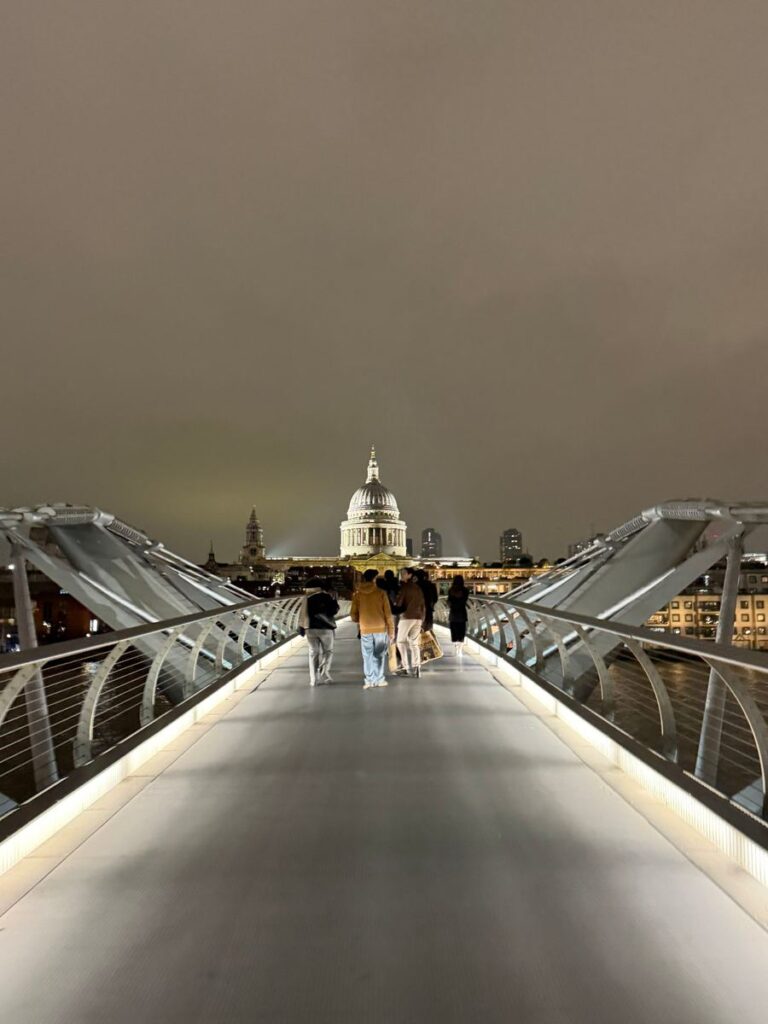
My tip: Walk across the Millennium Bridge for beautiful views of the Thames and St Paul’s Cathedral. It’s an excellent way to combine a museum visit with one of London’s most scenic walking routes.
Official website: Tate Modern
Which Free London Museums Should You Visit?
With so many incredible museums in London, choosing which ones to visit can be surprisingly difficult.
And unless you’re planning to spend your entire holiday indoors, you probably won’t have time to explore all five.
Here’s a quick comparison to help you decide.
| Museum | Best for | Suggested visit |
|---|---|---|
| Natural History Museum | Dinosaurs, nature, architecture | 2–3 hours |
| Victoria and Albert Museum | Fashion, art, design | 1–2 hours |
| British Museum | Ancient civilisations, history | 2–3 hours |
| National Gallery | Famous paintings, classical art | 1–2 hours |
| Tate Modern | Contemporary art, architecture | 1–2 hours |
These are suggested times for seeing the highlights, not exploring the entire collections.
If you’re visiting London for the first time and can only choose two, I’d put the Natural History Museum and V&A near the top of your list, particularly if you enjoy impressive architecture as much as the exhibitions themselves.
For history lovers, the British Museum is difficult to beat. And if you prefer art, choose between the National Gallery’s classical masterpieces and Tate Modern’s contemporary collections.
How to Visit Several London Museums in One Day
One of the best ways to explore London’s free museums is to group them by location.
London is enormous, and travelling back and forth between different neighbourhoods can waste a surprising amount of time.
Luckily, several of the best museums are located close to each other, while others can be combined with some classic London sightseeing.
Route 1: South Kensington Museum Day
Natural History Museum → Victoria and Albert Museum
This is probably the easiest route if you want to visit two museums without spending much time travelling.
Both are located in South Kensington, just a few minutes’ walk from each other.
I’d recommend starting at the Natural History Museum in the morning, when you have the most energy and the galleries may be quieter.
Afterwards, head to the V&A to admire the art collections and beautiful interiors.
If you have time, stop for coffee at the beautiful V&A Café before continuing your day.
And don’t forget to explore South Kensington itself. It’s one of London’s loveliest neighbourhoods, with beautiful buildings, cafés, and streets that are perfect for wandering around.
Route 2: Art & London Landmarks
National Gallery → Trafalgar Square → Millennium Bridge → Tate Modern
This route combines two excellent art museums with some classic London sightseeing.
Start at the National Gallery in Trafalgar Square, then make your way towards the Thames.
You can walk along the river, enjoy the views, and cross the Millennium Bridge before visiting Tate Modern.
The walk between the museums takes roughly 30–40 minutes, depending on your route and how often you stop for photos.
And knowing London, you’ll probably stop quite a few times.
Route 3: History & Central London
British Museum → Covent Garden → National Gallery
If you’re interested in history, architecture, and exploring London’s central neighbourhoods, this is a lovely combination.
Start at the British Museum, where you can easily spend two or three hours exploring ancient civilisations.
Afterwards, walk towards Covent Garden, where you can stop for lunch, explore the market, or simply enjoy the atmosphere.
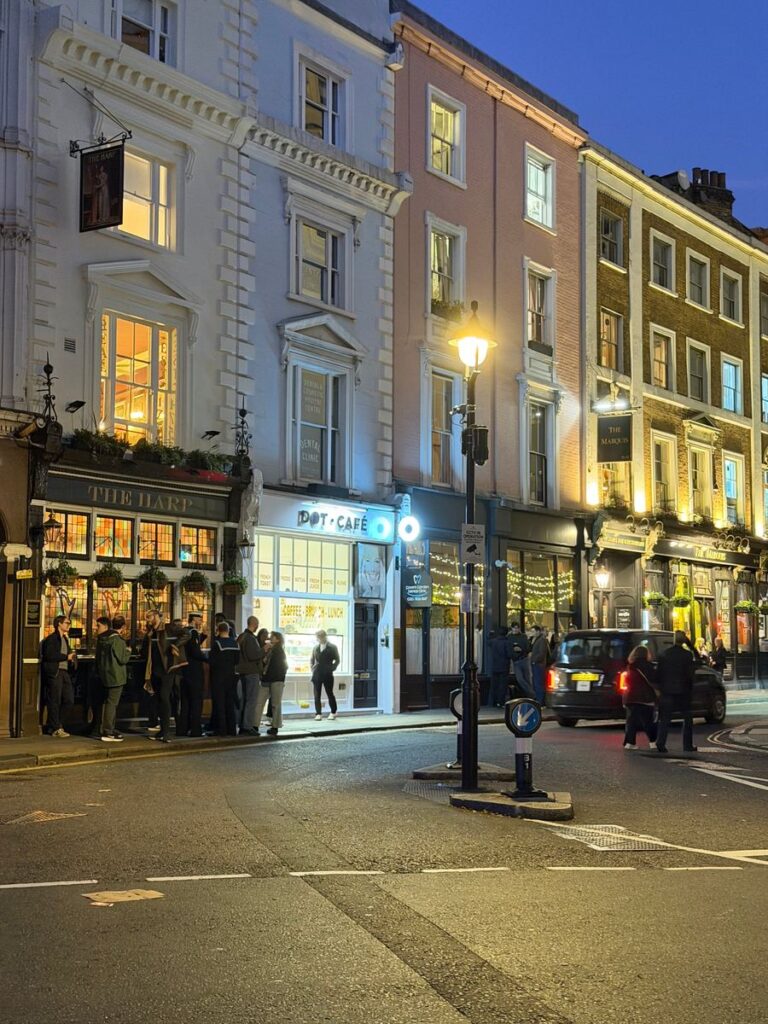
From there, continue towards Trafalgar Square and the National Gallery.
This route is particularly good if you want to combine museum visits with sightseeing rather than spending the entire day indoors.
Tips for Visiting Free Museums in London
Before you start planning your museum visits, here are a few practical things worth knowing.
- Book free tickets in advance when possible. Some museums recommend or require timed-entry reservations, particularly during busy periods. Free admission doesn’t always mean you can walk straight in.
- Visit early in the morning. Popular museums can get crowded, especially on weekends and during school holidays.
- Don’t try to see everything. Choose a few galleries or famous objects you really want to see and focus on those.
- Check temporary exhibitions. Permanent collections are generally free, but special exhibitions often require paid tickets.
- Wear comfortable shoes. London museums are enormous, and you’ll probably walk much more than expected.
- Check photography rules. Photography is usually permitted in many permanent galleries, but restrictions may apply to certain artworks or exhibitions.
- Travel light. Museums may have bag restrictions and security checks, and cloakroom facilities aren’t always free.
- Leave time for the surrounding neighbourhood. Some museums are close to beautiful parks, historic streets, and famous London landmarks.
And one final tip: don’t feel guilty about visiting a museum for just an hour.
Sometimes it’s better to enjoy a few highlights than spend an entire afternoon rushing through galleries because you feel like you need to see everything.
You’re on holiday, after all.
Frequently Asked Questions About Free Museums in London
Are museums in London really free?
Yes! Many of London’s most famous museums offer free entry to their permanent collections, including the Natural History Museum, British Museum, V&A, National Gallery, and Tate Modern.
However, special exhibitions, guided experiences, and certain activities may cost extra.
Do you need to book free museums in London?
It depends on the museum. Some allow walk-in visitors, while others recommend or require free timed-entry tickets.
I’d recommend checking the official website before visiting, especially during weekends and school holidays.
Which London museums are best for adults?
All five museums in this guide are suitable for adults.
For art and design, I’d recommend the V&A, National Gallery, and Tate Modern. For history, choose the British Museum.
The Natural History Museum is also an excellent choice for adults, even though it’s popular with families.
Which free museums are close to each other?
The Natural History Museum and V&A are both located in South Kensington, within a short walk of each other.
The British Museum and National Gallery can also be combined in one outing, with a lovely walk through central London between them.
How many museums can you realistically visit in one day?
I’d recommend visiting two museums in one day, especially if you want to enjoy the collections without rushing.
You could squeeze in more, but remember that museums involve a lot of walking and standing.
What is the best free museum in London for first-time visitors?
For first-time visitors, I’d recommend the Natural History Museum.
Its spectacular architecture, famous blue whale skeleton, and fascinating exhibitions make it an excellent introduction to London’s museum scene.
If you’re more interested in art, the V&A or National Gallery would be wonderful alternatives.
Final Thoughts: Are London’s Free Museums Worth Visiting?
Absolutely.
One of the things I appreciate most about London is that, despite being such an expensive destination, you can still experience an incredible amount of art, culture, and history without paying for admission.
And these aren’t just museums you visit because they’re free.
They’re genuinely some of the city’s most impressive attractions.
The Natural History Museum and V&A would be my top recommendations for anyone who appreciates beautiful architecture, while the British Museum is a must for history enthusiasts.
But whichever museums you choose, my advice is to combine them with the surrounding neighbourhoods rather than planning your entire trip around indoor attractions.
London has so much to offer, from beautiful parks and historic streets to markets, viewpoints, and hidden corners waiting to be discovered.
And the best part? Many of those experiences are free too.
If you’re planning your first trip, make sure to check out my 3 Days in London: The Ultimate Itinerary for First-Time Visitors for more ideas on what to see, where to go, and how to make the most of your time.
And for more travel guides, itineraries, and hidden gems, follow @thecreationofus on Instagram.
Happy exploring!
Truly yours,
The Creation of Us
P.S.: Some of the links are affiliate links, meaning if you click through and make a purchase, I will earn a small commission at no additional cost to you. Thanks for your support!