Dear travelers,
When you speak of must-try Spanish food, you’re talking about more than ingredients. You’re talking culture, community, joy, and memory.
So… are you ready? Vamos!

Spanish Food Culture: The Heart Behind the Dishes
Before we dig into the dishes, let’s set the scene: the vibe, the ethos, the “why” behind the food.
What makes it special
Shared plates, shared laughter: In Spain, dining is often social. You pick a few small plates, talk, drink, and wait for the sobremesa (that lingering time after the meal when conversation flows).
Regional pride: Catalonia, Andalusia, Valencia, Basque Country, they all bring something different to the table. So even a “simple” dish might look, taste or feel different depending on where you are.
Fresh, simple ingredients done well: Good olive oil, fresh seafood, vibrant produce. The cooking often lets the ingredients shine.
Meal timing & tradition: Late dinners, a culture of tapas bars that fill up after 9pm, food isn’t rushed, it’s savoured.
What You Must Try – The Signature Dishes
Here’s the good part, your delicious checklist. I’ll walk you through each dish with what it is, why it’s iconic, and my tip on how to experience it.
1. Tapas
What: The word tapas literally started as “cover” or “lid” in Spanish taverns, small plates served with drinks.
Why: Because tapas let you taste lots of things, mingle with locals, and enjoy food slowly.
Order a few different small plates, share them.
Look for busy bars with local crowds.
Try classics like jamón, olives, patatas bravas.
Bonus: in some places like Granada you might even get a small tapas free with your drink!

2. Sangría
What: A refreshing punch-style drink typically made with red wine, chopped fruit, maybe brandy, served chilled.
Why: It’s festive, perfect for travel nights, and pairs naturally with tapas and the Spanish way of life (social, relaxed, joyous)
Seek places where sangría is made fresh (real fruit, good wine), not only the tourist version.
A great pairing: early evening, with several tapas, at a bar with outside seating.

3. Paella
What: Originating in the region of Valencia, paella is rice cooked in a wide, shallow pan (the “paella” itself) and can include seafood, chicken, rabbit, vegetables and saffron.
Why: Because it’s iconic. When people think “Spain”, many think paella.
If you’re in Spain, head to Valencia or the coast for the real deal.
Sample whichever version your region offers (seafood or land-meat).

4. Patatas Bravas
What: Fried potato chunks served with a spicy tomato sauce and perhaps aioli or mayonnaise.
Why: Cheap, cheerful, shareable and perfect
Use this one as your “first stop” in a tapas bar. A safe but delicious bet.
Move across bars and compare how each place serves them (spicer sauce vs milder; aioli or not).

5. Churros
What: Long fried dough sticks (sometimes curls), typically enjoyed dipped in thick hot chocolate (“churros con chocolate”).
Why: Because travel is also about sweet moments.
Try them at a traditional chocolatería in Spain, early morning or after dinner.

6. Pan con Tomate – Bread with Tomato
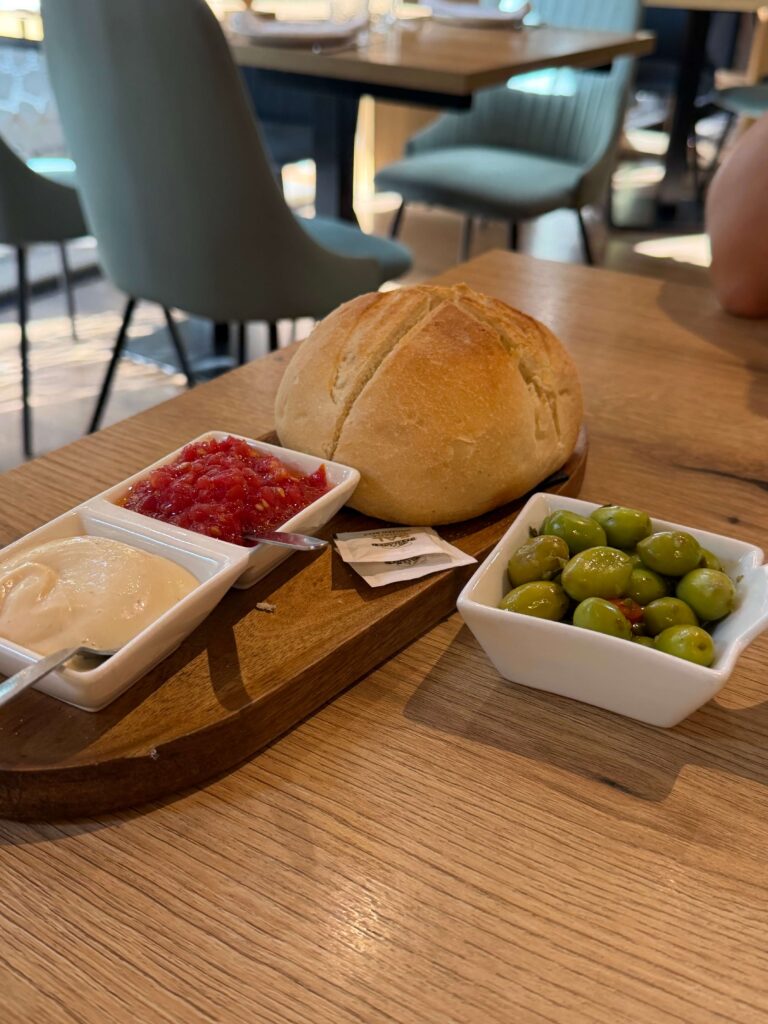
What: One of the simplest Spanish dishes, but also one of those things I could happily eat with every meal. Pan con tomate is toasted bread rubbed or topped with ripe tomato, olive oil, and a little salt. Depending on where you are, you may also see it served alongside aioli, the creamy garlic sauce that somehow makes fresh bread even better.
Why: Because sometimes the simplest combinations are the best. You’ll often find bread with tomato or aioli arriving at the table before the main dishes, and it’s dangerously easy to fill up on it before your actual food arrives.
- Especially popular in Catalonia, where it’s known as pa amb tomàquet.
- Try it with jamón, cheese, or simply on its own.
- And if there’s homemade aioli on the table, definitely try that too.
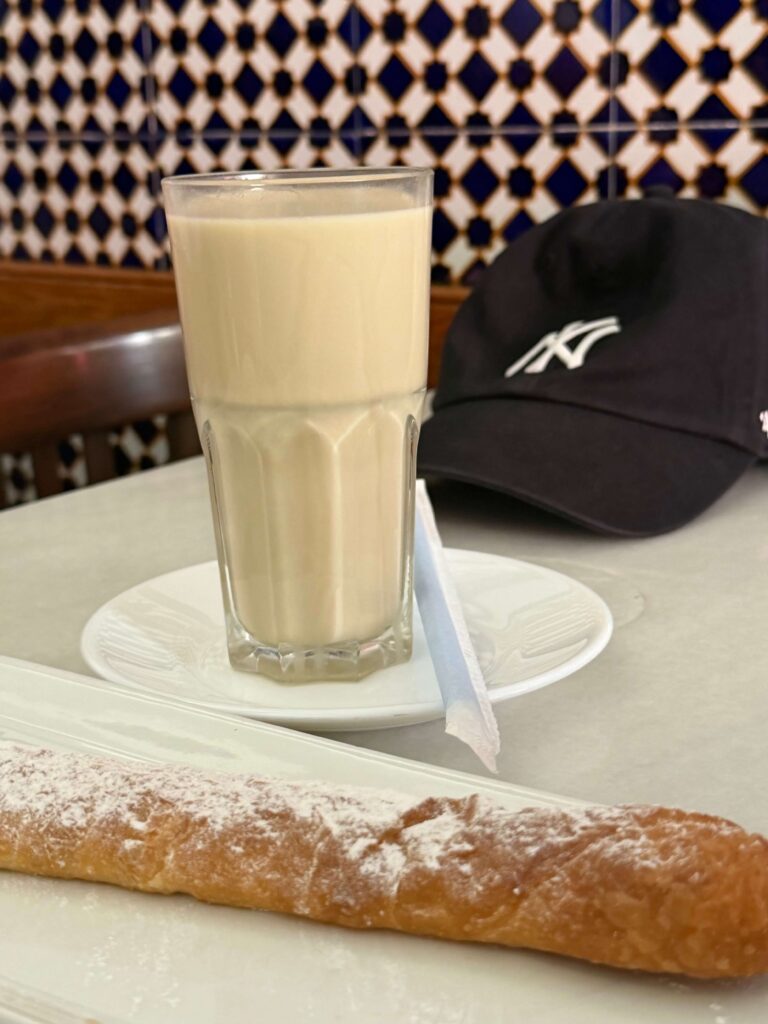
7. Horchata
What: A cold, sweet and refreshing drink that is especially famous in Valencia. Traditional Valencian horchata de chufa is made from tiger nuts (chufas), water, and sugar.
Why: If you’re visiting Valencia, this is one of those local specialties you really shouldn’t skip. It has a creamy texture but a very distinctive, slightly nutty flavor and it’s especially refreshing during Spain’s hot summer days.
- Look for a traditional horchatería rather than just grabbing a bottled version.
- Drink it very cold.
- For the full Valencian experience, order it with fartons, soft, elongated sweet pastries made for dipping into horchata. Read more here.
8. Basque Cheesecake
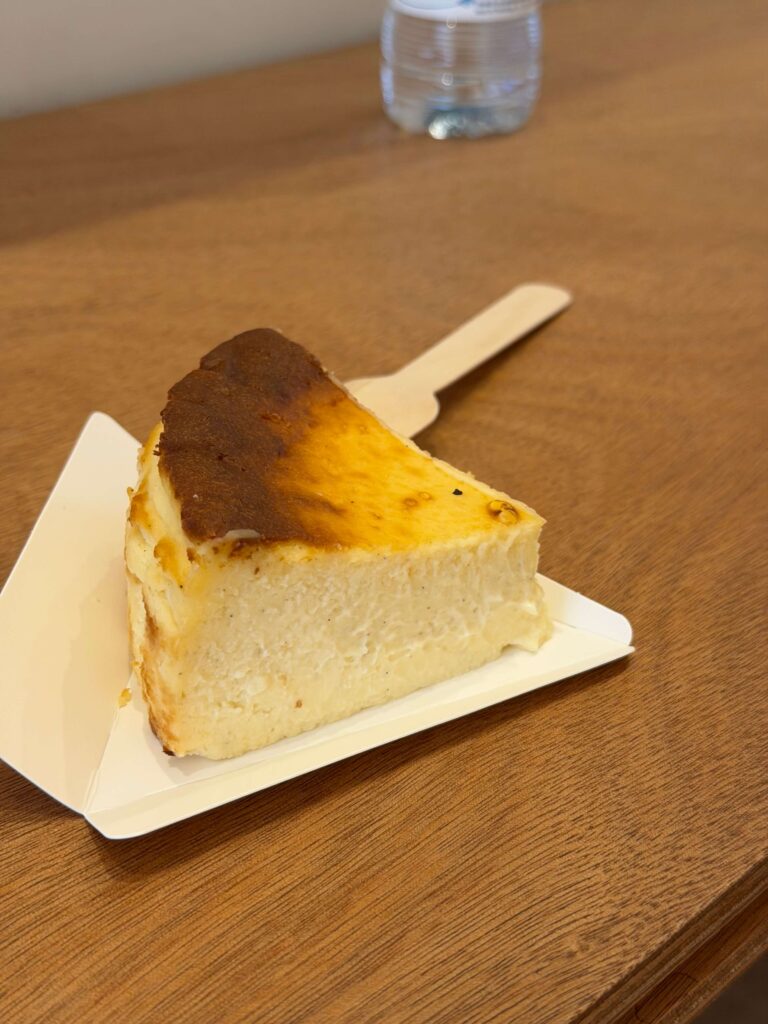
What: A rich, creamy cheesecake originating in San Sebastián in Spain’s Basque Country. Unlike classic cheesecake, it has no crust, the outside is intentionally deeply caramelized, while the center stays incredibly soft and creamy.
Why: Because this might just be one of the best desserts to come out of Spain. The slightly burnt, caramelized top combined with the almost molten center makes it completely different from a traditional cheesecake.
- If you’re visiting San Sebastián, this one is a must.
- Look for tarta de queso on dessert menus throughout Spain.
- Don’t be put off by the dark top—that caramelization is exactly what makes it so good.
So here it is, remember these star dishes. One tap … one plate … one moment at a time.
Truly yours,
The Creation of Us
P.S.: Some of the links are affiliate links, meaning if you click through and make a purchase, I will earn a small commission at no additional cost to you. Thanks for your support!